
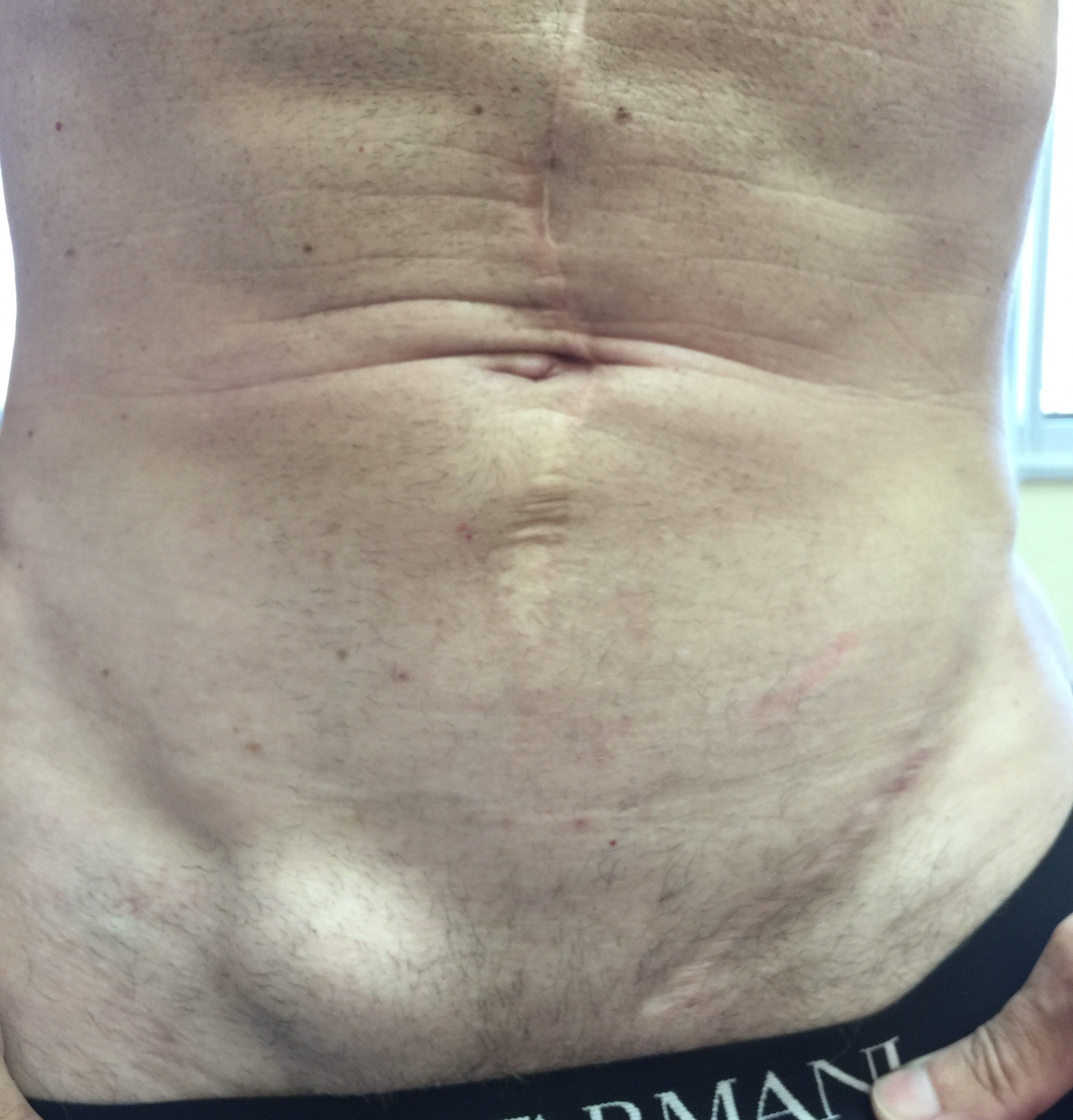
Common symptoms include a visible bulge in the abdomen or groin, discomfort or pain that worsens with lifting or standing, bloating after meals, and in some cases, burning or stabbing pain. Some hernias cause little or no pain, while others may progress and become more uncomfortable over time.
Typical signs of an inguinal hernia include a bulge near the pubic bone, discomfort that worsens with activity, pain radiating to the testicle, and a bulge that becomes more noticeable when standing but flattens when lying down. Some inguinal hernias are painless and only visible as a lump.
An umbilical hernia appears as a bulge at or near the belly button. It may increase in size when coughing, straining, or standing, and can cause discomfort, especially after eating or with physical activity.
Yes. Many inguinal and abdominal wall hernias are painless at first. Even if you don’t feel discomfort, a visible or recurring bulge in the abdomen or groin may indicate a hernia that should be evaluated by a doctor.
Untreated hernias can increase in size, cause worsening pain, or lead to serious complications. These include incarceration (when tissue gets trapped in the hernia opening) and strangulation (when blood supply is cut off), which can result in severe infection and require emergency surgery.
You should seek medical care if you notice a bulge in your abdomen or groin, if pain worsens with activity, or if you experience sudden severe pain, nausea, vomiting, or inability to pass gas or stool. These could signal an incarcerated or strangulated hernia, which is a medical emergency.
Risk factors include age (hernia rates increase with age), sex (inguinal hernias are more common in men, while femoral and umbilical hernias are more common in women), previous abdominal surgery, obesity, and chronic coughing or heavy lifting.
Hernias are very common. About 10% of people will develop one in their lifetime. Inguinal hernias account for about 75% of cases, umbilical hernias about 15%, and incisional or ventral hernias about 10%. In the U.S., over 1 million abdominal wall hernia repairs are performed each year.
No. Hernias do not heal without surgery. While some small hernias may remain stable for a time, they often enlarge or become more painful over time. Surgery is the only way to repair a hernia.
At the Center for Hernia Repair, Dr. Yunis and the team specialize exclusively in hernia diagnosis and treatment. They prioritize patient comfort, use advanced surgical techniques, and deliver personalized care to ensure the best outcomes for every patient.
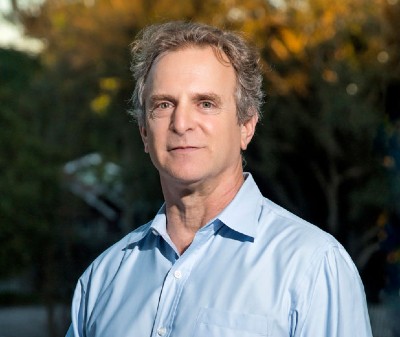
Limiting his practice to hernia surgery and abdominal wall reconstruction, Dr. Yunis performs over 700 operations annually and has more than 20 years of experience as a hernia surgeon. Dr. Yunis has a strong interest in revisional hernia surgery — repairing recurrent hernias and surgical eradication of chronic pain from hernia surgery. His experience as a vascular surgeon has enabled enhanced confidence in managing technically complex surgical procedures. He has maintained his vascular skills and remains Board Certified in Vascular Surgery. He frequently travels to visit with and observe hernia experts from around the world.
Board Certified General Surgery by the American Board of Surgery
Board Certified Vascular Surgery by the American Board of Surgery